Can Dental Bonding Fix Gaps Between Teeth?
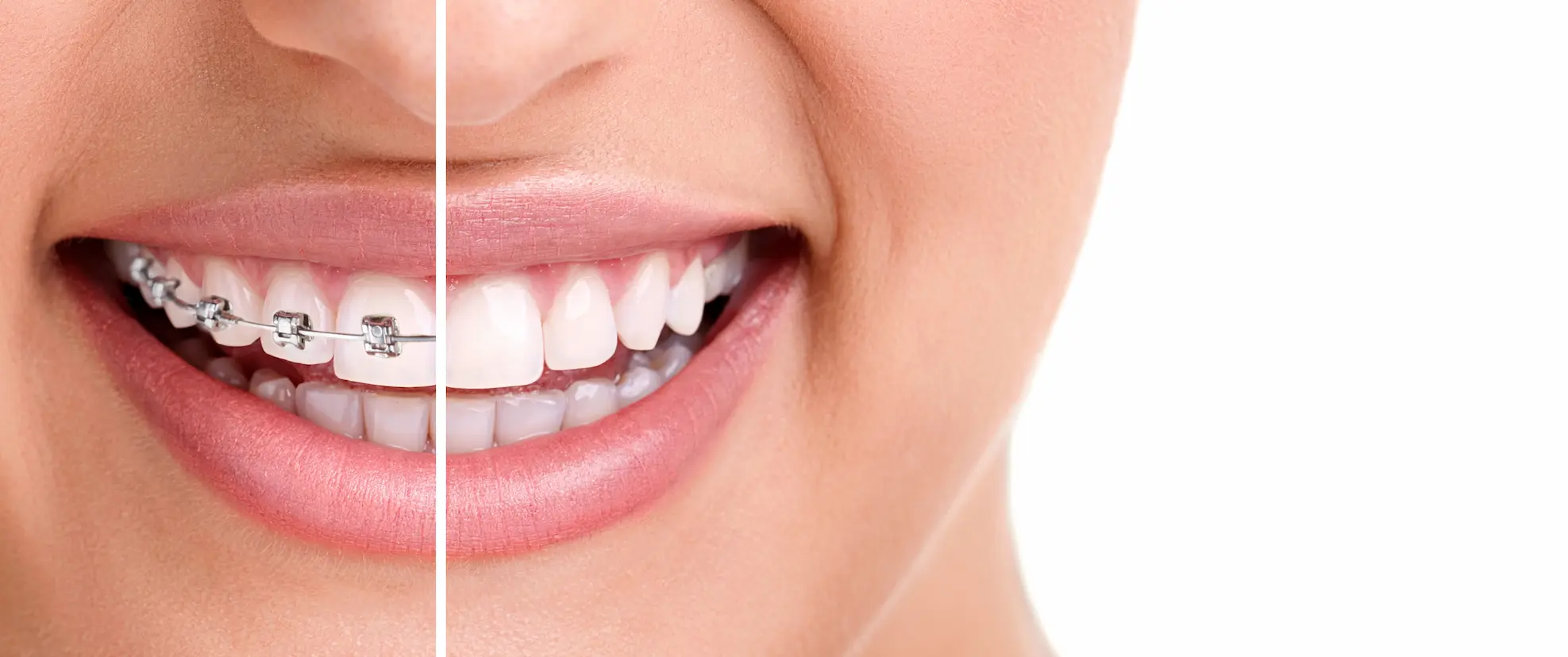


A small gap between the front teeth can be charming on one person and frustrating on another. I have met patients who barely notice theirs until a wedding photo makes it feel bigger than it is, and others who have spent years smiling with their lips closed because of a space that measures only a millimeter or two. Whether a gap feels like a defining feature or a cosmetic problem is deeply personal. What matters is knowing which treatments actually make sense.
Dental Bonding is one of the most common ways dentists improve small to moderate gaps between teeth. It is quick, relatively conservative, and often far less expensive than porcelain veneers or orthodontic treatment. That said, it is not the right fix for every smile. The size of the gap, the shape of the teeth, the way the bite comes together, and even habits like nail biting or clenching all affect whether bonding will look good and last.
If you are wondering whether dental bonding can close gaps between teeth, the short answer is yes, often very effectively. The better answer is that it depends on why the gap is there, how wide it is, and what you expect from the final result.
What dental bonding actually does
Dental Bonding uses a tooth-colored composite resin to reshape a tooth. The material is similar to what dentists use for many white fillings, but in cosmetic bonding it is layered and sculpted to change the visible contours of the tooth. To close a gap, the dentist usually adds resin to one or both teeth on either side of the space, widening them slightly so the opening disappears or becomes much less noticeable.
The appeal is easy to understand. Bonding typically requires little to no drilling. In many cases, the natural tooth structure remains almost entirely intact. The appointment is often completed in one visit, sometimes in under an hour for a simple front tooth gap. For patients who want a meaningful cosmetic change without committing to crowns, veneers, or braces right away, that makes bonding very attractive.
The final result can be surprisingly natural when it is done well. Good bonding is not just about filling space. It is about preserving believable tooth proportions, matching color and translucency, and creating edges that reflect light like enamel. The best cosmetic work is rarely obvious at first glance. People tend to notice that the smile looks fresher or more balanced, not that a material was added.
When bonding works especially well
Bonding tends to perform best in cases where the gap is modest and the surrounding teeth already have favorable positions. If the teeth are healthy, the gums are stable, and the bite is not placing excessive force on the bonded edges, the treatment can be both beautiful and practical.
A classic example is a small midline gap between the two upper front teeth. If the gap is narrow and the teeth are slightly undersized or a little triangular in shape, bonding can be an elegant fix. By adding material to the inner sides of the teeth and softening the contours, a dentist can close the space while making the teeth look more proportionate.
It also works well when there are multiple tiny spaces caused by naturally small teeth. In those cases, orthodontics alone may align the teeth perfectly but still leave visible spaces because the teeth themselves do not fill the arch well. Bonding can refine those proportions after alignment, or sometimes replace the need for braces if the positions are already acceptable.
Another good scenario is post-orthodontic detailing. Sometimes after braces or aligners, the teeth are straight but black triangles remain near the gums because of tooth shape or tissue anatomy. Careful cosmetic bonding can reduce those dark spaces and create a fuller appearance.
When bonding is not the best answer
This is the part many people do not hear soon enough. A gap can be cosmetic, but it can also be a symptom. If the spacing is caused by gum disease, bone loss, tongue thrust, a mismatched bite, or a large frenum between the front teeth, simply adding composite may not solve the actual problem. In some cases, it can make a future problem harder to manage.
Large gaps are another gray area. There is no universal cut-off because tooth width, facial proportions, and smile line vary so much, but once spaces become more pronounced, bonding can start to create teeth that look too wide or flat. A gap might close on paper, yet the smile can look bulky or artificial. Experienced cosmetic dentists spend a lot of time evaluating this balance because patients usually care less about the technical closure of a space than about whether their teeth still look like teeth.
Bite matters too. If the lower teeth hit the area where resin would be added, the bonding may chip repeatedly. This is common in patients with edge-to-edge bites, deep bites, or strong grinding habits. In those situations, bonding might still be possible, but the treatment plan may need bite adjustment, a night guard, or a different restorative approach.
There are also cases where orthodontics simply does a better job. If teeth are rotated, flared, crowded elsewhere, or the gap is part of a broader alignment issue, moving the teeth first often produces a cleaner and more stable result. Bonding can still play a role afterward, but using it alone to mask a positional problem can lead to compromise.
Why gaps happen in the first place
Not every gap has the same origin, and the cause influences the treatment.
Some spaces are genetic. A person may inherit relatively small teeth, a broad dental arch, or both. Others develop gaps because the teeth drift over time, especially if there is gum recession or periodontal disease reducing the support around them. Childhood habits, missing teeth, and tongue posture can also contribute. A prominent labial frenum, the band of tissue connecting the upper lip to the gum, can sometimes maintain a front-tooth gap even after orthodontic treatment.
That difference matters because cosmetic treatment should match the biology. If a healthy 24-year-old has a tiny natural diastema and wants a quick cosmetic improvement, bonding may be ideal. If a 54-year-old develops new spacing over two years, the first question should not be how to cover it. It should be why it changed. Teeth do not usually separate without a reason.
What the bonding appointment is like
Patients are often surprised by how straightforward the process feels. For a simple gap closure, numbing may not even be necessary unless the dentist expects to do minor enamel reshaping. The teeth are cleaned, isolated, and lightly conditioned so the resin can adhere properly. Then the dentist places the composite in layers, shaping it with small instruments and curing each increment with a blue light.
The artistry comes during contouring and polishing. Tiny adjustments in line angle, width, and edge shape can make the difference between a tooth that looks broad and heavy and one that looks natural. This is why cosmetic bonding is deceptively technique-sensitive. It may sound simple because it is done in one visit, but there is a real difference between filling a space and designing a smile.
Many dentists will have the patient sit up midway through the procedure and view the teeth from conversational distance, not just under bright overhead operatory lights. That step is useful because a smile that looks perfect reclined can feel different when seen in normal posture. In better cosmetic offices, photographs, shade mapping, and mock-ups are often part of the planning, especially for visible front teeth.
How natural can it look?
Very natural, provided the case selection is right and the operator has cosmetic skill.
Composite resin has improved enormously over the years. Modern materials come in multiple shades and translucencies, allowing dentists to mimic dentin body color and enamel brightness more convincingly than many people expect. On the front teeth, where light transmission matters, this layering can create a lifelike finish.
Still, bonding has limits. It does not reflect light exactly like natural enamel, and over time it is more prone than porcelain to collecting stain and losing surface gloss. That does not mean it will look bad. It means maintenance matters. Polishing at recall visits can refresh the appearance, and some patients eventually replace older bonding after several years to restore its original luster.
One practical point I often emphasize is this: the best bonded gap closure usually looks subtle because it respects tooth anatomy. If someone asks for a space to be closed but refuses any increase in tooth width, the request may be incompatible with a realistic result. Material has to go somewhere. The dentist's job is to distribute that change in a way that still fits the face and smile.
How long dental bonding lasts
Longevity varies more than advertisements suggest. In a low-stress area with a favorable bite and good home care, cosmetic bonding on front teeth may look good for several years, often anywhere from three to ten years before repair, repolishing, or replacement becomes necessary. Some restorations last longer. Some chip much sooner. The range is wide because the material is sensitive to force, habit, and maintenance.
A patient who bites pens, opens packaging with the teeth, or grinds at night can shorten the life of bonding dramatically. So can a heavy coffee or red wine habit if color stability is important. On the other hand, a careful patient with a stable bite may get excellent service from bonding for quite a while.
Here are the factors that most often affect how long bonding holds up:
- The size and location of the bonded area
- Bite forces, including clenching or grinding
- The dentist's technique and material choice
- Oral hygiene and professional maintenance
- Staining habits such as smoking or frequent dark beverages
That list sounds basic, but in practice these factors explain most of the difference between bonding that stays polished and intact and bonding that needs repeated repairs.
Cost compared with other options
One reason Dental Bonding remains so popular is cost. It is usually among the most affordable cosmetic treatments for closing gaps. Fees vary by region, complexity, and the experience of the provider, but bonding generally costs less per tooth than porcelain veneers or crowns and may cost less upfront than a full course of orthodontics.
That lower initial price deserves context. Bonding often requires more maintenance over time than porcelain. Veneers cost more at the start, but they tend to resist staining and surface wear better. Orthodontics may be the more expensive and slower route initially, yet it can address the position of the teeth rather than simply changing their visible width. A patient comparing options should not ask only, "What is cheapest today?" The better question is, "Which approach gives me the right result with the fewest compromises over the next five to ten years?"
Bonding versus veneers versus orthodontics
Patients often come in hoping for a single best answer, but these treatments solve different problems.
Bonding is conservative and efficient. It shines when the gap is modest, the teeth need minor reshaping, and the patient wants a fast improvement without significant removal of tooth structure.
Veneers are more durable cosmetically and can transform color, shape, and proportion with great precision. They are often chosen when the patient also dislikes the tooth shade, enamel quality, or overall symmetry, not just the gap. They are less conservative than bonding and cost more, but they can deliver a very refined result.
Orthodontics moves teeth rather than enlarging them. If the spacing is part of a bite or alignment problem, braces or aligners often produce a healthier and more stable foundation. The drawback is time. Many adults want immediate cosmetic change, and orthodontic treatment requires patience.
Sometimes the best answer is a combination. I have seen many strong outcomes where aligners close most of the space and improve root position, then bonding fine-tunes tooth shape at the end. That approach preserves natural proportions better than trying to close everything with composite alone.
Potential downsides patients should know
Bonding is often described as simple, but simple is not the same as consequence-free. Composite can chip. Margins can stain. Repairs may blend well, but repeated patching can gradually reduce the crispness of the original cosmetic result. If the gap is closed without respecting gum architecture and tooth proportions, the smile may look unnaturally broad or too uniform.
There is also the issue of maintenance psychology. Some patients love that bonding is reversible and adjustable. Others become frustrated by touch-ups, especially if they expected a permanent one-time fix. Managing expectations matters as much as material choice.
One overlooked downside is that cosmetic changes can reveal surrounding issues. Once a gap is closed, a patient may suddenly notice that https://anotepad.com/notes/fj3md2k7 one central incisor is slightly longer, or that the lateral teeth look worn, or that the gum levels are uneven. That is not because bonding created the problem. It is because improving one feature often makes the rest of the smile easier to scrutinize. Good treatment planning anticipates this rather than reacting to it after the fact.
Who is usually a strong candidate
The best candidates tend to share a few features. They have healthy gums, a stable bite, realistic expectations, and gaps small enough to close without distorting tooth shape. They are also willing to maintain the result and understand that bonding may need polishing or replacement over time.
A useful pre-treatment conversation usually covers these points:
- Why the gap exists
- Whether the bite places stress on the proposed bonding
- How much tooth width will change visually
- What maintenance is likely over the next few years
- Whether orthodontics or veneers would solve the problem more predictably
When that conversation happens clearly, patients tend to feel much happier with the final result because the choice was made with open eyes.
Questions worth asking before you commit
If you are considering dental bonding for a gap, ask to see before-and-after cases from the actual dentist who would do the work, especially cases involving front teeth. Cosmetic bonding is highly operator-dependent. Two dentists can use the same material and produce results that look completely different.
It is also reasonable to ask whether a mock-up is possible. Even a quick visual simulation or a hand-sculpted preview can help you understand how closing the gap will affect tooth width and symmetry. This is particularly helpful for people who have worn their gap for years and are not sure how they will feel seeing themselves without it.
If your spacing is new, or if your teeth seem to be shifting, do not skip the diagnostic part. A cosmetic fix should never substitute for evaluating gum health, bite changes, or missing support structures. Any dentist with sound judgment will be more interested in the reason behind the movement than in selling a fast cosmetic patch.
The bottom line on dental bonding for gaps
Yes, dental bonding can absolutely fix gaps between teeth, and in the right case it does so beautifully. It is one of the most conservative and accessible cosmetic treatments in dentistry. For small to moderate spaces, especially in healthy front teeth with good alignment, it can deliver an immediate boost in confidence with minimal intervention.
But the best results come from restraint and case selection, not from treating bonding as a universal answer. A gap is not just empty space. It is part of a larger system that includes tooth size, bite, gum health, facial balance, and long-term wear. When those factors are respected, bonding can be elegant. When they are ignored, it can become a temporary patch on a problem that really needed a different solution.
If you are considering it, think beyond whether the gap can be closed. Ask whether it should be closed with bonding, whether the proportions will still look natural, and how the result is likely to age in your particular mouth. That is usually where the best decisions begin.
Toothworks of Bakersfield, Dentist and Orthodontist
Address: 1030 H St #1, Bakersfield, CA 93304
Phone number: +16613239421
FAQ About Dental Bonding
How long does dental bonding last?
Dental bonding typically lasts between 3 and 10 years (averaging about 5 to 8 years) before it needs a touch-up or replacement. Its lifespan depends heavily on your daily habits, where the bonding is placed in your mouth, and how well you care for your teeth.
How expensive is bonding a tooth?
Dental bonding typically costs between $100 and $600 per tooth, with a national average of about $431 per tooth.
What are the downsides of dental bonding?
Dental bonding has several drawbacks, including lower durability, a shorter lifespan, and a tendency to stain compared to alternatives like porcelain veneers.